
I remember a shoot for a tech startup three years ago where the CEO spent forty minutes explaining the “emotional nuance” of a rim light, despite having never touched a strobe in his life. By the time we actually started, the sun had moved, the subject was vibrating with anxiety, and I was staring at a light meter like it was a foreign object. Everyone tells you that you need better gear or more expensive lighting to solve production friction, but they’re lying. The real battle isn’t technical; it’s learning how to handle a client who wants to art direct without losing your mind or your professional dignity.
I’m not going to give you a lecture on “client management” or some sanitized corporate guide to conflict resolution. This is about the messy reality of being in the room when someone decides they are suddenly the creative lead. I’m going to share the specific, unpolished ways I navigate these power shifts—from the way I frame my initial technical choices to the exact moment I decide to let them “win” a minor battle to save the entire shoot. This is about protecting the work when the person paying for it starts getting in its way.
The Room Is Getting Crowded How to Handle a Client Who Wants to Art Direct
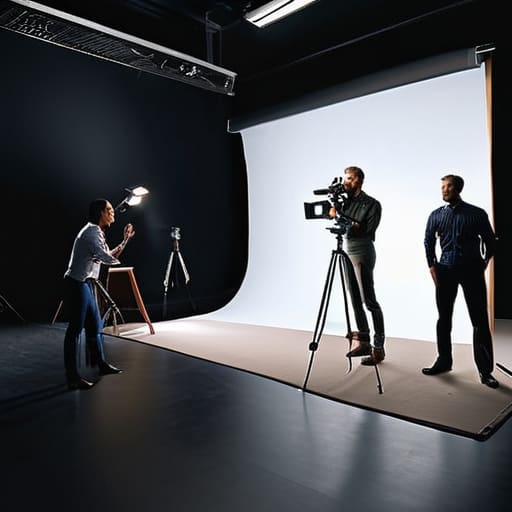
The moment the studio door opens and three extra people walk in, the energy shifts. Suddenly, it isn’t just me and the subject; it’s a committee. I’ve seen it happen a dozen times: a CEO brings their marketing lead, who brings a junior designer, and before I’ve even set up my single Profoto light, I’m being lobbied for a different mood. This is where the line between creative control vs client feedback gets incredibly blurry. If you don’t set the pace early, you’ll spend the next two hours arguing about whether the shadows are “too moody” instead of actually shooting.
My rule of thumb is to address the room before the first shutter click. I make it clear that while I want their input, I am the one managing the technical execution and the light. It’s about managing client expectations through a clear, professional workflow. If they want to direct the talent, fine—but they need to understand that every “small tweak” to a pose or a backdrop consumes the very time we negotiated for the shoot. I don’t mind the feedback, but I do mind the chaos that comes when everyone thinks they’re the director.
Drawing the Line Creative Professional Boundaries in a Chaotic Room

The thing about creative control vs client feedback is that the line is often invisible until someone steps right over it. I’ve learned that you can’t just wait for the chaos to happen; you have to build the fence before the sheep get out. This means being incredibly explicit during the pre-production call. I don’t just talk about lighting ratios or lens choice; I talk about the decision-making process. I tell them, “I am here to execute your vision, but I am the one managing the light and the technical execution.” If they know exactly where their input ends and my expertise begins, they are much less likely to start hovering over my shoulder with a light meter they don’t know how to use.
Setting these creative professional boundaries isn’t about being a diva; it’s about protecting the quality of the work. When a client starts micro-managing the tilt of a chin or the placement of a reflector, the energy in the room shifts, and the subject feels it immediately. They stop being themselves and start performing. My rule is to acknowledge the feedback—always acknowledge it—but then explain the “why” behind my choice. “I hear you on the shadow, but if we fill that in now, we lose the depth that makes this portrait work.” It’s about steering the ship without making them feel like they aren’t on it.
The Tug of War Navigating Creative Control vs Client Feedback
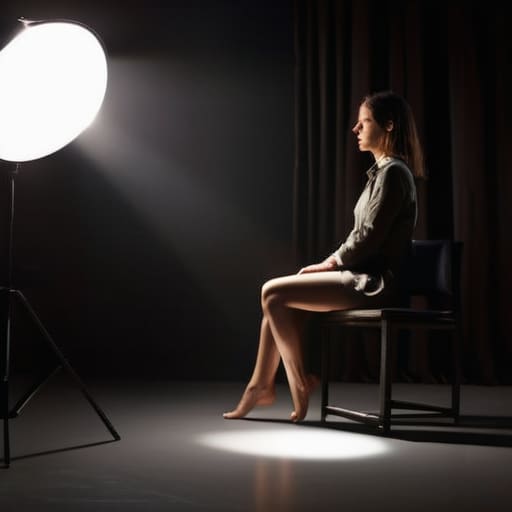
There is a very thin, very slippery line between a client who is engaged and a client who is actively sabotaging the light. When I’m mid-setup, adjusting a silver reflector just to catch a bit of life in someone’s eyes, I don’t want a lecture on composition. However, I’ve learned that the best way to handle the tension of creative control vs client feedback is to stop treating their input as an attack and start treating it as data. If they say, “It feels too dark,” they usually don’t mean the exposure settings; they mean they feel exposed and vulnerable in the chair.
Instead of digging my heels in, I try to translate their “vibe” language into technical reality. I’ll say, “I hear you; let’s try opening up the fill light to soften the shadows,” which keeps the client relationship management intact without me losing my mind. It’s about reframing their anxiety as a technical adjustment. You aren’t giving up your authority; you’re just translating their nervous energy into a different modifier. If you can bridge that gap, you stop being an adversary and start being the person who actually solves their problem.
Managing Client Expectations in Design Before the Lights Turn on
If you wait until you’re standing in the studio with a heavy strobe and a subject who’s already feeling self-conscious to talk about vision, you’ve already lost. Most of the friction I see happens because we skipped the boring part: the pre-production chat. I’ve learned the hard way that managing client expectations in design isn’t about being a diva; it’s about setting the stage before the gear even comes out of the bags. If they think we’re shooting a moody, low-key author portrait and you’re planning a bright, high-key corporate look, the shoot will be a disaster regardless of how good your lighting is.
I try to treat the mood board like a contract. We look at the lighting, the color palette, and the vibe, and I make it clear that while I’m there to execute their brand, I am the one holding the camera. By communicating design decisions early—via a simple PDF or even just a very clear email—you build a framework. It’s much easier to say, “Remember that lighting style we agreed on in the brief?” than to try and fight off a sudden change of heart when the clock is ticking and the rental gear is costing money.
Communicating Design Decisions Without Losing the Human Connection
When the tension rises because they want a different modifier or a completely different light angle, don’t just shut down. If you go silent, you look like you’ve lost your nerve; if you argue, you look like a diva. The trick to communicating design decisions is to stop talking about “art” and start talking about the result. Instead of saying, “I like this lighting better,” try, “This specific angle creates the shadow depth we need to make the subject look authoritative for the website.” You aren’t defending your ego; you are defending the brief.
It’s a delicate dance of client relationship management for creatives. You have to validate their vision without letting them steer the ship into a reef. I’ve found that using “if/then” logic works wonders. “If we move that key light where you’re suggesting, we’re going to lose the catchlights in their eyes, and the portrait will feel flat.” This keeps the conversation focused on the technical reality of the room rather than a battle of wills over creative control vs client feedback. It turns a confrontation into a shared problem-solving session.
Refining Your Professional Design Workflow to Protect the Vision
The best way to stop the bleeding before the shoot even starts is to build a professional design workflow that acts as a buffer. I’ve learned the hard way that if you don’t define the sandbox you’re playing in, the client will try to move the fences while you’re still mid-frame. This means sending over a mood board or a simple shot list that isn’t just a “suggestion,” but a roadmap. When you nail down the lighting style and the color palette in an email three days prior, you aren’t being difficult; you’re managing client expectations in design so that when they suddenly ask for a high-key, bright-and-airy look halfway through a moody noir session, you have a document to point back to.
It’s about creating a system where your expertise is the default setting. I treat my pre-shoot questionnaires like a contract for the eyes. If I know they want “corporate but approachable,” I’m already planning my distance from the subject and my choice of modifier. By the time we’re in the room, the creative professional boundaries are already invisible but unbreakable. You aren’t just showing up to click a shutter; you’re showing up to execute a pre-approved plan.
Five ways to stop the bleeding before the shoot falls apart
- Use the “Yes, and…” technique. When a client suggests something that will absolutely kill the lighting or the mood, don’t just say no. Say, “I see what you’re going for with that shadow, and if we move the key light two feet left, we can actually get that drama without losing the subject’s eyes.” You’re not arguing; you’re translating their chaos into physics.
- Keep the “Why” in your back pocket. If they demand a change that makes no sense, don’t talk about aperture or focal length—they won’t care. Talk about the result. “If we add that second fill light, we lose the intimacy of the portrait and it starts looking like a corporate headshot.” Always tie your technical refusal back to their original goal.
- Establish the “Observer vs. Participant” rule during the briefing. I tell my clients early on: “I need you to be the eyes, not the hands.” Explain that if they are hovering over my shoulder or adjusting a reflector, they aren’t seeing the frame the way I am. It’s about framing their role as the visionary, while I remain the technician.
- Control the physical space. If the room is getting too crowded with people offering “just one quick suggestion,” move the client to a specific chair. Give them a designated “viewing station” that is slightly removed from the tripod. If they are physically part of the setup, they will feel entitled to micromanage the gear.
- The “Let’s try one” compromise. If a client is adamant about a direction that you know is a mistake, give them exactly one shot. “Let’s do it your way, just once, so we can see how it looks on the monitor.” Usually, once they see the mediocre result on a 3-inch screen, they’ll realize why you were hesitant and let you get back to work.
The Reality of the Room
You can buy the best sensor in the world, but it won’t save a shoot if you let a client hijack the lighting mid-session; my job isn’t just to click the shutter, it’s to protect the vision from the person paying for it.
Iwona Krawczyk
The Final Frame
At the end of the day, managing a client who wants to grab the reins isn’t about winning an argument or protecting your ego; it’s about protecting the integrity of the image. We’ve talked about setting boundaries before the first light is even plugged in, managing the physical chaos of a crowded room, and learning how to say “no” without making the client feel like they’ve lost their seat at the table. It comes down to having a workflow that is firm enough to provide structure but flexible enough to allow for that human spark. If you don’t guard your process, you’ll spend more time negotiating lighting setups than actually capturing anything meaningful.
I know it feels heavy sometimes, especially when you’re caught between a client’s sudden whim and the vision you spent weeks preparing. But remember why they hired you in the first place: they didn’t hire you to be a high-end shutter button; they hired you because they trust your eye. When the dust settles and the gear is packed away, the best work always comes from that delicate balance of professional authority and genuine collaboration. Keep your boundaries clear, keep your communication honest, and most importantly, trust your training. The camera isn’t the problem, and neither is the client—it’s just about mastering the room.
