
I once spent forty minutes in a damp, drafty studio trying to nail a precise, low-angle shot for a corporate team portrait, only to realize mid-exposure that my cheap ball head was slowly creeping under the weight of my lens. I wasn’t fighting the lighting or the client’s sudden urge to look at their shoes; I was fighting a piece of metal that simply couldn’t hold its ground. Most gear guides make it sound like a mathematical equation of payload capacities and fluid viscosity, but when you’re actually in the thick of a shoot, knowing how to choose a tripod head isn’t about reading a spec sheet—it’s about knowing which piece of kit won’t betray you when the pressure is on.
I’m not here to sell you on the latest carbon-fiber miracle or a brand name that costs more than my first car. Instead, I want to talk about the actual friction points: the difference between a pan that actually pans smoothly and one that jerks like it’s got a grudge, and why your specific lens setup dictates everything. This is a guide to the practical trade-offs, focusing on stability and intuition rather than marketing fluff.
The Camera Is Fine but Your Foundation Is Failing How to Choose a Tripod He
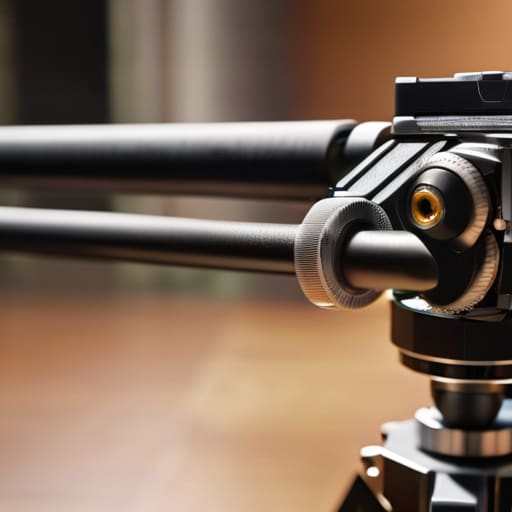
I’ve spent enough time on sets to know that a shaky frame isn’t usually a shutter speed issue; it’s a structural one. You can spend your entire budget on a new body and a prime lens, but if you’re pairing them with a head that can’t handle the weight, you’re just building a house on sand. Before you even look at brands, you need to get honest about your tripod head payload capacity. I’m not just talking about the weight of the camera, but the heavy telephoto lens you’re likely to attach when the client suddenly asks for a tight crop, or the heavy video rig you’ve built for a short-form clip.
The real decision, though, usually boils down to the mechanical soul of the thing: fluid head vs ball head. If you’re doing quick, static author portraits where you just need to lock a composition and go, a ball head is your best friend—it’s fast and intuitive. But if you’re moving into video or trying to track a subject’s movement without that jerky, micro-stuttering motion that makes people nauseous, you need the controlled resistance of a fluid head. It’s about choosing the tool that matches the rhythm of your movement, not just the specs on the box.
Weight Isnt the Enemy but Ignoring Tripod Head Payload Capacity Is
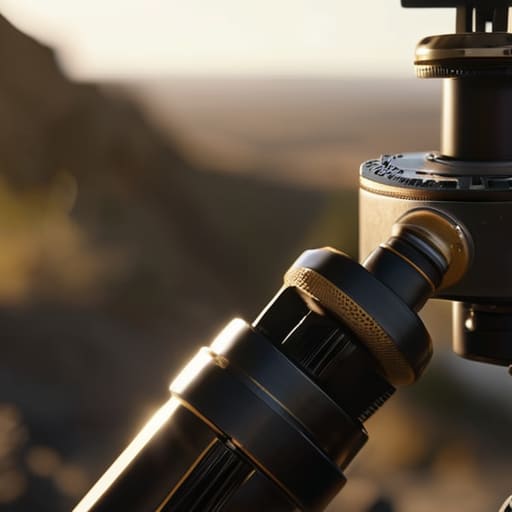
I’ve seen it happen a dozen times: a photographer shows up with a beautiful, heavy telephoto lens and a high-end body, only to realize their head is struggling just to hold the weight level. They think they need a lighter setup, but the real issue is that they’ve ignored the tripod head payload capacity. It’s not just about what the head can hold while it’s sitting still; it’s about how it behaves when you actually try to move it. If you’re pushing the absolute limit of what the manufacturer claims, you aren’t getting a stable shot; you’re just managing a slow-motion tilt.
When you’re deciding between a fluid head vs ball head, remember that the “max load” listed on the box is often a best-case scenario. If I’m shooting a long-form video piece or a heavy setup for a landscape, I always aim for a head that can handle at least double my actual gear weight. You want that extra headroom so that when you adjust your tilt, the camera doesn’t drift downward like it’s tired of fighting gravity. Overloading isn’t just a technical error; it’s a recipe for a ruined session.
The Battle of Movement Deciding Between Fluid Head vs Ball Head
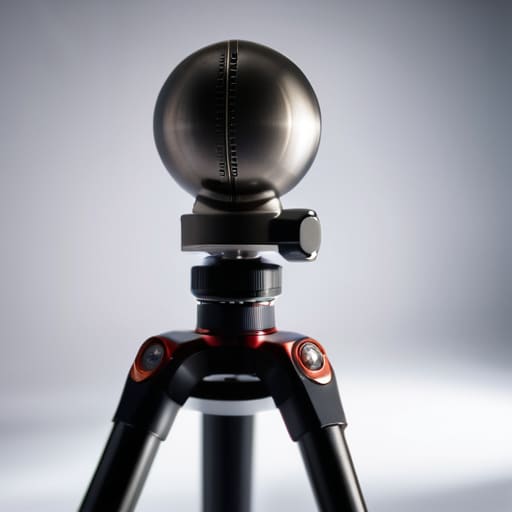
This is where most people trip up because they buy for the “idea” of a shoot rather than the reality of it. If you’re doing stills—especially those slow, deliberate portraits where I’m hunting for a specific catchlight—a ball head is your best friend. It’s fast, it’s intuitive, and it lets you reposition the camera in one fluid motion. But there’s a catch: once you lock it down, you’re stuck. If you try to pan across a room to catch a subject’s expression, you’ll end up with a jerky, micro-stuttering mess that ruins the shot.
If you’ve moved into short-form video or you’re doing anything involving movement, you need to stop looking at ball heads and start looking at a fluid head. The difference in a fluid head vs ball head debate isn’t just about technical specs; it’s about resistance. A fluid head uses internal drag to ensure your pans are buttery smooth, preventing that dreaded “jump” when you start or stop a motion. It’s heavier, sure, but if you’re trying to film a client walking through a studio, that extra weight is the price you pay for professional stability.
When the Light Disappears Tripod Head Stability for Long Exposure
When you’re shooting long exposures—maybe it’s a blue hour landscape or a moody architectural shot where you’re waiting for the light to die—the stakes for your setup change completely. It’s no longer about how fast you can move the camera; it’s about whether that camera stays exactly where you put it for thirty seconds. I’ve been in situations where I thought my gear was fine, only to realize a tiny, microscopic tremor was turning my sharp lines into a blurry mess. This is where tripod head stability for long exposure becomes the only thing that actually matters.
If you’re using a ball head, you have to be obsessive about the locking mechanism. I’ve seen too many people tighten the knob, walk away, and come back to a shot that’s drifted a millimeter because the tension wasn’t seated right. If you’re doing something more specialized, like stitching a wide view, you might look into panoramic tripod head features to ensure your rotation is smooth and repeatable. But regardless of the tech, if the head feels “soft” when you lock it down, it will fail you the moment the shutter stays open.
Solving the Horizon Problem With Specific Panoramic Tripod Head Features
If you’ve ever spent twenty minutes trying to stitch a landscape together only to realize your horizon line looks like a staircase, you don’t need a better lens—you need a better axis. Most standard ball heads are fine for a portrait or a quick street shot, but when you’re trying to capture a wide sweep, they tend to tilt or “creep” as you adjust. This is where specific panoramic tripod head features actually matter. You’re looking for a dedicated pan axis that stays perfectly level while you rotate the camera, rather than a head that forces you to fight against the tension of the ball just to move horizontally.
I’ve learned the hard way that even the most expensive gear can’t fix a crooked stitch if your rotation is off by a fraction of a degree. When I’m working on a landscape commission, I look for a head with a leveling base or a geared mechanism. It might feel slower than a quick-release system, but it removes the guesswork. It’s about making sure the rotation happens around a fixed point, so you aren’t constantly fighting the tilt that ruins your composition.
Practicality Over Perfection Managing Tripod Head Weight Considerations
I’ve spent enough time lugging gear up narrow studio stairs to know that there is a very real, very physical limit to what you should carry. When we talk about tripod head weight considerations, most people focus solely on whether the head can hold the camera. They forget that you actually have to move the entire setup from your car to the studio, or from the tripod to the bag, without wanting to throw it out a window. If you buy a heavy, professional-grade head for every single shoot, you’ll eventually start leaving your best lenses at home because the total kit weight is just too much.
The trick is finding the sweet spot between a flimsy setup that shakes when a subject walks past and a tank that makes your back ache. I usually look at the balance of the entire kit rather than the individual specs. If you’re choosing between a fluid head vs ball head for a video-heavy day, you’re already committing to more weight. You have to decide if that extra pound is worth the smoother pan, or if you’re better off with a lighter, more agile setup that actually makes it into the shoot.
Five things I’ve learned from watching heads fail in the field
- Don’t trust the “max load” on the box blindly. If a manufacturer says a head can hold 10kg, that’s the breaking point, not the working point. If you’re mounting a heavy 70-200mm lens, aim for a head rated for at least double that weight, or you’ll spend the whole shoot fighting a slow, agonizing tilt every time you try to frame a shot.
- Test the friction before you commit. A ball head that’s too loose is a nightmare for precision, but one that’s too tight means you’ll accidentally jerk the whole camera when you’re just trying to make a micro-adjustment. If you can’t find a way to fine-tune the tension with a single knob, leave it on the shelf.
- Check your reach. I once spent an hour trying to get a low-angle shot of some architectural details only to realize my tripod head couldn’t tilt far enough down without the center column hitting the legs. Before you buy, make sure the head’s range of motion actually covers the weird angles you’ll inevitably need when a client asks for something “different.”
- The “one-handed” test is non-negotiable. In a real shoot, you usually have a light, a reflector, or a nervous subject to manage. If you can’t loosen the pan lock, adjust the tilt, and lock it back down using only one hand while your other hand is busy, that head is going to become a massive logistical headache.
- Beware of the “feature creep” in cheap heads. A head that claims to have a leveling base, a panoramic scale, and a geared drive all for fifty bucks is lying to you. Usually, it means the components are made of plastic that will flex the moment you touch it. I’d much rather have a dead-simple, heavy aluminum ball head than a complex, flimsy gadget that drifts mid-exposure.
The real cost of a cheap head
You can spend three months saving up for a body that captures every ounce of detail, but if you pair it with a tripod head that drifts a fraction of a millimeter every time you touch the shutter, you haven’t bought a professional setup—you’ve just bought an expensive way to shoot blurry images.
Iwona Krawczyk
The final decision
At the end of the day, choosing a head isn’t about finding the most expensive piece of engineering in the catalog; it’s about matching the tool to the specific chaos of your workflow. You need to decide if you’re fighting for a perfectly level horizon with a panoramic head, or if you’re trying to keep a heavy lens from dipping mid-video with a fluid head. Don’t get seduced by specs on a website that don’t account for the reality of your kit. If your payload capacity is cutting it too close, or if your ball head is too cumbersome for a quick change in a cramped studio, you’re going to spend more time wrestling with your gear than actually looking through the viewfinder. Buy for the work you actually do, not the work you wish you were doing.
Once you’ve made the choice and the gear is packed, try to let it go. I’ve spent enough time in darkrooms and studios to know that even the most stable, perfectly balanced setup can’t save a shot if you’re too stressed about the equipment to notice the light changing or the subject’s expression shifting. A tripod head is just a way to hold your camera still so you can focus on the things that actually matter—the composition, the timing, and the person in front of you. Get the right foundation, then trust your hands to do the rest.
