
I remember standing on a corner in East London, three years into my assisting days, watching a guy approach an elderly woman with his camera held like a shield. He spent five minutes stuttering through a rehearsed, formal script that sounded more like a legal deposition than a human conversation. He was so terrified of doing it “wrong” that he completely missed the light, the mood, and the person in front of him. Most photography books will tell you that you need a perfect verbal formula for how to ask permission for a street portrait, but they forget that you aren’t a lawyer; you’re a person with a camera. If you approach someone like you’re asking for a kidney, they’re going to treat you like a threat.
I’m not going to give you a script to memorize or a list of legal loopholes to hide behind. Instead, I want to talk about the uncomfortable middle ground—the actual mechanics of reading a stranger’s body language and finding the right moment to speak before the shot vanishes. This is about the social choreography of the street: how to bridge that awkward gap with enough warmth to make them say yes, but enough professional clarity so they don’t feel hunted. We’re going to focus on the human connection, because if you can’t manage the person, the camera won’t matter.
Beyond the Lens Why the Connection Matters More Than the Gear
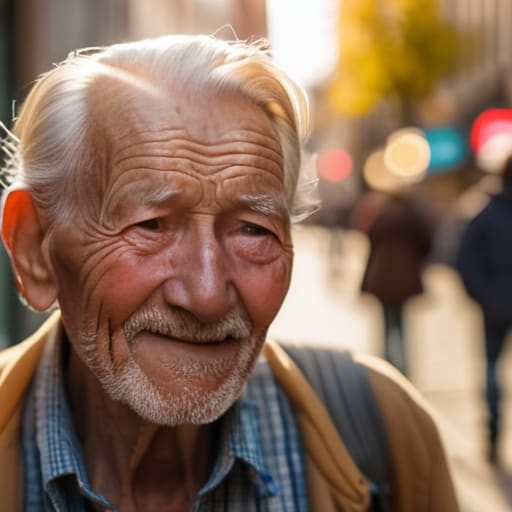
Look, you can have the most expensive Leica or a medium format setup that makes people gasp, but if you haven’t established a baseline of trust, you’re just a person with an expensive piece of glass staring at a stranger. I’ve seen photographers spend twenty minutes fiddling with aperture settings while the actual moment—the soul of the shot—withers away because they were too intimidated to actually talk. The gear is just the tool; building rapport with subjects is the actual work. When you prioritize the human being over the technical spec, the tension in their shoulders drops, and that’s when the real image lives.
This isn’t just about being “nice,” either. It’s about navigating the messy reality of street photography ethics in a way that respects the person in front of you. If you treat the interaction like a transaction, they’ll feel it. But if you approach it as a shared moment, even if it only lasts ten seconds, you’ve moved past being a predator with a lens and become a collaborator. You aren’t just capturing a face; you’re acknowledging their presence in your space.
The Art of Approaching Strangers for Photos Without the Friction
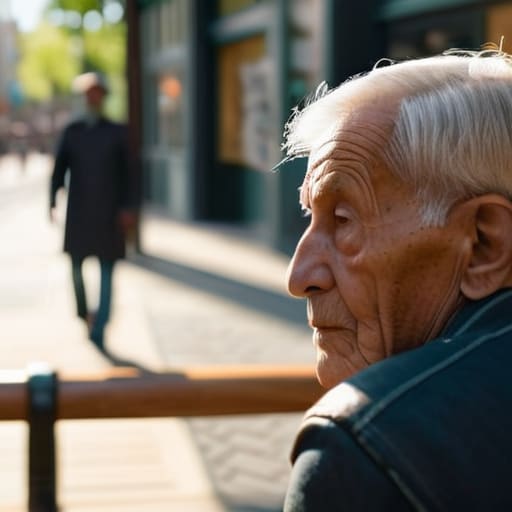
The moment you step out of the studio and into the unpredictable chaos of the sidewalk, your biggest tool isn’t a prime lens; it’s your ability to read non-verbal communication in photography. If you see someone looking guarded or pulling their coat tighter, don’t charge in with a smile and a camera. That’s how you get a “no” before you’ve even opened your mouth. Instead, I try to match their energy. If they’re moving fast, I keep my approach quick and light. If they’re sitting quietly, I’ll take a moment to just be in the space near them before I ever mention the camera.
When you finally do move in, the goal is building rapport with subjects through transparency rather than a rehearsed pitch. I don’t do the “I’m a professional photographer” monologue—it feels too heavy. I usually just say, “I love the light hitting your jacket, would you mind if I took a quick portrait?” It’s low pressure. If they hesitate, give them an out immediately. Most people aren’t afraid of the photo; they’re afraid of being trapped in a transaction they didn’t sign up for.
How to Ask Permission for a Street Portrait With Grace
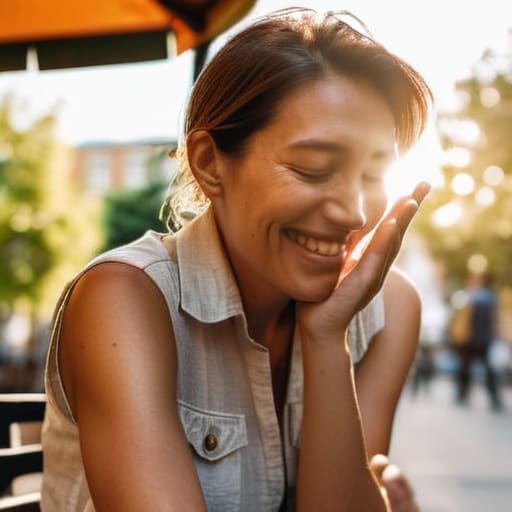
The moment you decide to move from observation to interaction, the energy shifts. You can’t just hover like a ghost and then suddenly spring a camera in their face; that’s how you get a defensive reaction. Instead, I’ve found that lowering your physical stance helps. Don’t tower over them. If you approach with your camera hanging at your side rather than pressed to your eye, you signal that you are a person first and a technician second. A quick, genuine smile and a simple, “Hi, I love the way the light is hitting you, would you mind if I took a quick portrait?” goes a long way toward building rapport with subjects before the shutter even clicks.
If they hesitate, don’t push. Respect the “no” immediately. Part of practicing good street photography ethics is knowing when a subject has decided they aren’t in the mood to be seen. If they say yes, show them the back of the screen. Let them see the result. It demystifies the process and turns a potentially intrusive moment into a shared creative win. If you’re planning on using the image for anything beyond a personal archive, that’s when you bring up the model release for street photography, but keep it casual—don’t make it feel like a legal deposition.
Reading the Room Non Verbal Communication in Photography
Before you even open your mouth, your body is already talking. I’ve learned the hard way that if you approach someone with your camera held like a weapon—tight to your face, lens aimed like a sniper—they’ve already decided you’re a threat. They’ll tighten their shoulders, look at the ground, and the moment is dead. Instead, try to keep the gear at your side or hanging from a strap. You want to signal that you are a person first and a photographer second. Mastering non-verbal communication in photography is often the difference between a genuine connection and someone walking away mid-sentence.
Watch for the micro-expressions. If you catch someone’s eye and they offer a quick, polite nod or a small smile, that’s your green light to move in. If they immediately check their watch or turn their body slightly away, they are telling you “no” without saying a word. Respect that. Part of street photography ethics is knowing when to fold your hand and move to the next subject. Forcing an interaction after someone has clearly signaled discomfort isn’t just bad for your portfolio; it’s bad energy that will haunt the rest of your shoot.
Building Rapport With Subjects to Turn Strangers Into Collaborators
Once you’ve managed to bridge that initial gap and they haven’t immediately walked away, the real work begins. You aren’t just a person with a camera anymore; you’re a collaborator. I’ve found that the quickest way to move from “interrogator” to “partner” is to stop talking about the technicalities and start talking about them. If you see a striking coat or a way they carry themselves, say it. It sounds cheesy, but acknowledging why you approached them—not just that you want a photo, but why that specific moment caught your eye—changes the entire energy of the interaction.
This is where building rapport with subjects becomes your most valuable tool. When they feel seen rather than just “captured,” their shoulders drop and the tension leaves their face. It’s about shifting the power dynamic so they feel they have a say in the process. If you’re planning to use the shot for anything more than a personal archive, this is also the perfect time to casually mention the legal aspects of street photography or the need for a quick model release. If you handle it with transparency and warmth, it doesn’t feel like a contract; it feels like a shared agreement.
Navigating Street Photography Ethics and the Paperwork Reality
Here is the reality check most tutorials leave out: there is a massive gap between what is socially acceptable and what is legally bulletproof. When we talk about street photography ethics, we aren’t just talking about being a decent human being—though that’s a good start—we’re talking about the messy intersection of privacy and art. If you’re just snapping a candid shot of a passerby in a public square, you’re usually fine. But the second you want to sell that image to a stock site or use it in a commercial campaign, the legal aspects of street photography shift dramatically.
This is where the dreaded model release for street photography comes into play. I know, carrying a clipboard feels like you’re trying to audit a small business, but it’s the only way to protect yourself when a shot actually turns into something worth using. If you’ve spent twenty minutes building rapport with a subject, don’t let the moment die by being awkward about the paperwork. Just be honest: “I love this light on you, and I’d love to use this for my portfolio—would you mind signing this so I’m not breaking any rules later?” It’s better to ask upfront than to realize you’ve captured a masterpiece you can never actually sell.
Five things I wish I’d known before I started approaching people
- Stop the “stealth” approach. If you’ve already taken the shot and you’re trying to sneak away before they notice, you’ve already lost the connection. Walk up, show them the back of the screen, and let them see what you see. If it’s a bad shot, admit it. If it’s a good one, let them be part of the win.
- Lead with the “why,” not the “what.” Don’t just say, “Can I take your photo?” That’s too vague and sounds like a threat. Try, “The light hitting your jacket right now is incredible, would you mind if I grabbed a quick portrait?” Giving them a reason makes them a collaborator rather than a target.
- Watch your body language; you’re a human, not a predator. If you’re hunched over your lens with a massive telephoto, you look like you’re hunting. Keep your camera at chest level, stay open, and don’t hover. If they look busy or stressed, leave them be. No shot is worth being the person who ruined someone’s morning.
- The “Hand Question” trick. I always ask people what they do with their hands when they’re nervous. It sounds weird, but it works. It breaks the ice, acknowledges the awkwardness of being photographed, and immediately shifts the vibe from a formal interrogation to a shared joke.
- Have an exit strategy for the “No.” If they say no, or even if they just give you that hesitant, polite-but-firm “I’d rather not,” just smile, say “No problem at all, have a lovely day,” and walk away. Don’t linger, don’t try to negotiate, and definitely don’t make it weird. The fastest way to get a “yes” from the next person is to show the current person that you respect their boundaries.
The Moment Before the Shutter
You can have the most expensive glass in the world, but if you haven’t first built a bridge of trust with the person standing in front of you, you aren’t taking a portrait—you’re just stealing a moment they never intended to give you.
Iwona Krawczyk
The Reality of the Street
At the end of the day, asking for permission isn’t about following a script or getting a signed release form—though having one in your bag helps when things get professional. It’s about the micro-interactions: the way you hold your camera, the eye contact you make before you even approach, and your ability to read the tension in someone’s shoulders. You’ve learned that the gear is secondary; the real work happens in that awkward, heavy gap between noticing a face and making a connection. If you can manage the approach with grace, respect the “no” without making it weird, and treat the person like a human rather than a composition, you’ve already won half the battle. It’s about minimizing the friction so the person feels seen, not hunted.
Don’t let the fear of rejection keep you tucked away in a studio with a controlled softbox and a predictable client. The street is messy, people are unpredictable, and sometimes you’ll get a “no” that feels like a personal insult, but that’s just part of the job. The best portraits I’ve ever taken didn’t come from a perfect lighting setup, but from that fleeting moment of trust built in a crowded doorway or on a busy corner. So, put the camera down for a second, breathe, and just talk to them. The shot will follow, I promise.