
I once spent forty minutes trying to troubleshoot a flickering strobe in a drafty studio, only to realize the real problem was the CEO sitting in my chair, staring at his shoes and muttering about how his chin looked too wide. I had the most expensive lighting kit money could buy, but none of it mattered because the person in front of my lens had already decided they were a failure. If you’re looking for a tutorial on which high-end lens will magically fix a client’s insecurity, you’re in the wrong place; learning how to handle a difficult subject on a client shoot has nothing to do with your gear and everything to do with how you manage the energy in the room.
I’m not going to give you any of that polished, textbook nonsense about “creating a positive environment” through sheer willpower. Instead, I want to talk about the messy, unscripted reality of the job—the sweat, the awkward silences, and the specific ways you pivot when a subject starts to spiral. I’m going to share the practical, unvarnished tactics I’ve picked up over a decade of assisting and shooting, focusing on the human elements that actually move the needle when the technical side is working perfectly but the portrait is still failing.
Understanding How to Handle a Difficult Subject on a Client Shoot
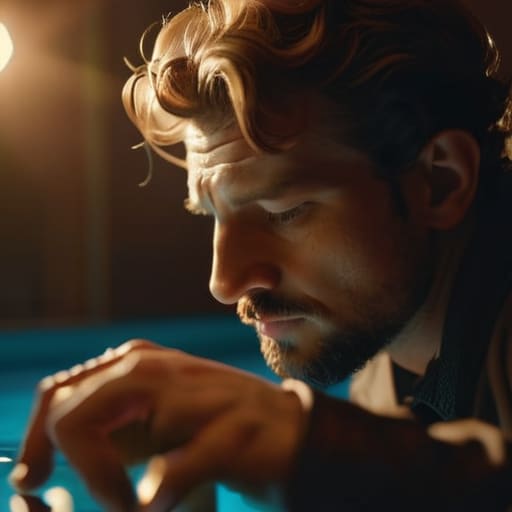
First, you have to realize that “difficult” is rarely a personality flaw; it’s usually just a defense mechanism. Most people walk into a studio feeling exposed, and when they feel exposed, they either shut down or start performing. I’ve learned that building rapport with subjects isn’t about being their best friend or making small talk about the weather—it’s about proving you are in control of the room. If you look even slightly uncertain about where your light is falling or why you’re choosing a specific lens, they’ll smell it. That uncertainty feeds their anxiety, and suddenly, you aren’t shooting a portrait; you’re managing a crisis.
The real work happens in the gap between your technical setup and their internal monologue. You need to lean into portrait photography psychological techniques that prioritize comfort over the “perfect” shot in the first twenty minutes. This might mean ignoring the expensive modifier you spent an hour setting up just to spend ten minutes talking them through why their hands feel awkward. It’s about managing client expectations during shoots by being honest about the process. If they look like they’re about to bolt, stop the camera, adjust the chair, and change the energy. The gear is secondary; the person is the entire job.
Key Things to Know
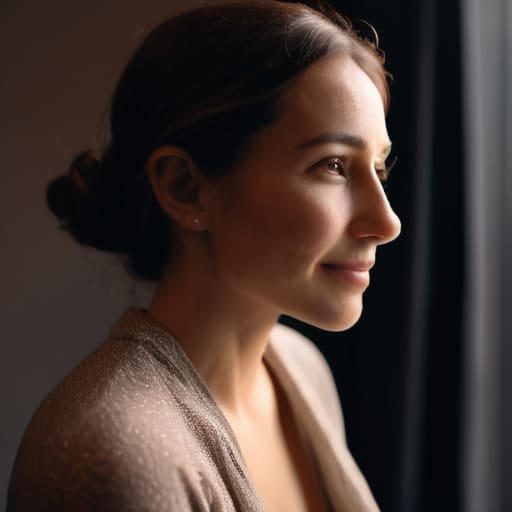
First, you need to realize that “difficulty” is rarely about malice; it’s almost always about fear. Most people walk into a studio feeling exposed, and that exposure manifests as stiffness, sarcasm, or a sudden, intense interest in their phone. Building rapport with subjects isn’t some fluffy, soft-skill concept you learn in a seminar; it is the actual mechanical foundation of the shoot. If they don’t trust you, they won’t give you anything real, and you’ll spend three hours chasing a version of them that doesn’t exist.
Second, you have to master the art of maintaining composure under pressure. When a client starts nitpicking the lighting or a subject decides they “look terrible” in the first preview, your instinct might be to defend your technical choices. Don’t. Instead, pivot. If the light isn’t working for them, change the modifier or move the stand, even if you know it’s fine. It’s about managing client expectations during shoots by making them feel like the collaborator, not the victim of your lens. You aren’t just a button-pusher; you are the person in charge of the energy in the room.
Practical Tips and Steps

First, stop looking at your LCD screen. When a subject starts getting twitchy or defensive, checking your playback feels like you’re retreating into a shell, and they can sense that withdrawal immediately. Instead, focus on building rapport with subjects by moving closer—not into their personal space, but into their orbit. I’ve found that if I start talking about something entirely unrelated to their face—like the architecture of the room or the weird light hitting a plant in the corner—it breaks the tension. It gives them a moment to breathe without feeling like they’re being interrogated by a lens.
Second, you need to get ahead of the “I look terrible” spiral before it starts. This is where managing client expectations during shoots becomes more important than your lighting setup. If you see them starting to hunch or pull their chin back, don’t wait for them to say something negative. Intervene with a specific, technical compliment. Don’t just say “you look great”; say “the way the light is catching your jawline right now is exactly what we need.” It shifts the conversation from their self-consciousness to the technical reality of the frame, which is much easier for them to process.
Common Mistakes to Avoid
The biggest mistake I see is trying to “fix” the person instead of the environment. When a subject starts spiraling, your instinct is to lean in harder with technical advice—”Chin down, eyes here, more light”—but that usually just makes them feel more scrutinized. You aren’t a drill sergeant; you’re a collaborator. If you start barking orders because you’re feeling the tension, you’ve already lost. Instead of doubling down on the technicalities, focus on building rapport with subjects by stepping away from the viewfinder for a second. If you stay glued to the lens while they’re struggling, you’re just a machine recording their discomfort.
Another trap is thinking that a better lighting setup or a more expensive lens will compensate for a lack of emotional management. I’ve seen shooters try to hide behind a massive softbox when the vibe in the room turns sour, but gear can’t mask a breakdown in communication. You have to prioritize maintaining composure under pressure; if you look panicked, they will panic. Don’t mistake being “polite” for being effective. Sometimes, being professional means calling out the elephant in the room—gently—rather than pretending everything is fine while the person in front of you is visibly vibrating with anxiety.
Final Thoughts
At the end of the day, your talent with a lens matters very little if you can’t navigate the human being sitting in the chair. You can have the most expensive lighting setup in the world, but if the energy in the room is jagged, the images will look jagged too. I’ve learned that maintaining composure under pressure is just as much a part of my kit as my prime lenses. When things go sideways, don’t retreat into your settings or start obsessing over your histogram; that just makes you look nervous, and they will pick up on it instantly.
It’s about the invisible work. Most of my day is spent on building rapport with subjects before I even think about hitting the shutter. If you can master the art of managing the person rather than just the light, the technical side usually falls into place. It isn’t always pretty, and it certainly isn’t as glamorous as the tutorials make it out to be, but learning how to steer the room is what actually turns a chaotic session into a successful one.
Five ways to keep the shoot from falling apart
- Stop talking about the gear. When a subject is spiraling because they think they look “wrong,” telling them you’re using a 85mm prime won’t do a damn thing. Shift the conversation to something external—the weather, the coffee you just grabbed, or even a critique of the room’s lighting. You need to break the loop of self-consciousness by giving their brain a different track to run on.
- Master the “micro-direction.” Vague instructions like “just be natural” are a death sentence for a nervous client; it just gives them more room to panic. Instead, give them a physical task. “Rest your chin on your knuckles,” or “Shift your weight to your back foot.” It gives them a job to do, and a person with a job is much harder to rattle than a person who is just sitting there being judged.
- Use the “check-in” as a tool, not a courtesy. If you see their shoulders creeping up toward their ears, don’t wait until the end of the session to address it. Stop, step away from the viewfinder, and physically change your position in the room. Breaking the line of sight for thirty seconds allows them to reset their posture without feeling like they’re being watched under a microscope.
- Control the environment, not just the light. If the room is too bright, too cold, or has a distracting hum from a nearby AC unit, it will manifest in the subject’s tension. I’ve spent more time adjusting a thermostat or closing a heavy curtain than I have adjusting my aperture, because a comfortable subject is a predictable subject.
- Own the “bad” shots. If they see a preview on the back of your camera and immediately hate it, don’t argue. Don’t say, “Oh, it looks fine to me.” That feels patronizing. Instead, say, “Yeah, the light hit your eyes a bit too hard there, let’s tilt the modifier two inches left and try again.” Validate their feeling, then immediately provide the technical solution so they feel you’re on their team.
The Real Work
You can have the most expensive lighting setup in the world, but it won’t do a damn thing if the person in the chair has decided they’re unphotogenic; at that point, your job isn’t to adjust the aperture, it’s to manage the human being in front of you.
Iwona Krawczyk
The Reality of the Room
At the end of the day, managing a difficult subject isn’t about having the most expensive strobe or a faster autofocus system; it’s about how you handle the friction between the person and the lens. We’ve talked about reading the room, knowing when to pause the technical setup to actually talk to the human in front of you, and why your most important tool is often your own calm. You can have the perfect lighting ratio and the most expensive modifiers, but if the subject is spiraling because they feel exposed or awkward, those technical wins won’t show up in the final frame. It’s about managing the psychology of the shoot just as much as the exposure.
Don’t let a bad session make you think you’ve lost your touch. Most of the time, when a shoot feels like it’s falling apart, it’s not a failure of your talent, but a collision of circumstances you couldn’t control. The best photographers I know aren’t the ones who never encounter a difficult subject; they are the ones who can navigate the chaos without losing their cool or their vision. Keep your chin up, keep your kit ready, and remember that once you learn to handle the person, the portrait usually takes care of itself.