
I remember standing in a drafty stone church three years ago, my feet aching in boots that were definitely not meant for twelve hours of standing, watching a bridesmaid try to explain to me why the lighting was “too dramatic” while the groom’s uncle blocked my entire frame with a tray of lukewarm champagne. Everyone tells you that if you just buy the right dual-slot body or a faster prime lens, you’ll be fine, but that is a lie. The gear doesn’t account for the moment the timeline collapses or the way a sudden downpour turns a manicured garden into a mud pit. If you want to learn how to shoot a wedding without losing your mind, you have to stop looking at your spec sheets and start looking at the logistics of chaos.
I’m not here to sell you a dream of effortless, ethereal magic. This isn’t a masterclass on color grading or finding the perfect bokeh; it’s a notebook on the messy, unglamorous reality of managing people, schedules, and environments that refuse to cooperate. I’m going to give you the specific, unsentimental tactics I’ve used to survive the long haul—the stuff they skip in the expensive workshops—so you can actually finish a wedding with your sanity and your reputation intact.
Understanding How to Shoot a Wedding Without Losing Your Mind
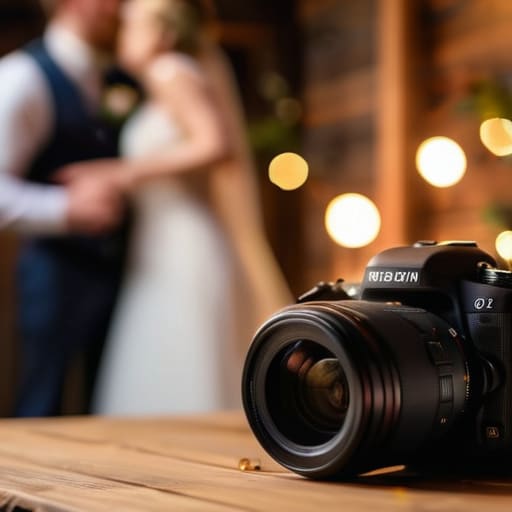
The secret isn’t in your bag; it’s in your head. Most people think the stress comes from a missed shot or a technical glitch, but it actually stems from a lack of control over the environment. If you haven’t spent time on meticulous wedding day timeline planning, you’re already playing defense. You can have the most expensive glass in the world, but if you’re fighting a schedule that’s twenty minutes behind before the ceremony even starts, you’ll spend the whole day reacting instead of creating.
Realistically, you need to prioritize managing client expectations long before you ever step foot in the venue. If the bridal party thinks you’re there to direct every single movement like a film set, and you’re actually there for documentary style, that friction will eat your energy alive. I’ve learned that the best way to handle the chaos is to build a workflow that accounts for the inevitable delays. Stop trying to be a perfectionist and start being a strategist; it’s the only way to maintain your wedding photographer stamina when the reception hits the third hour of dancing.
Key Things to Know
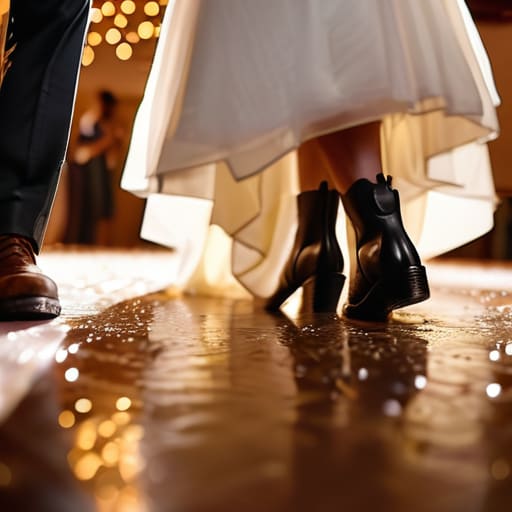
First, let’s talk about the physical reality of the day. You aren’t just a creative; you are an athlete in a heavy vest. I learned the hard way that wedding photographer stamina isn’t something you can fake once you’re halfway through a six-hour reception with no breaks. If you haven’t accounted for your own caloric intake or the weight of your kit, you’ll be making sloppy technical decisions by 9:00 PM. My best advice? Pack more water than you think you need and treat your feet like they’re part of your professional equipment.
Then there is the logistical nightmare of the schedule itself. I’ve seen perfectly good weddings fall apart because the hair and makeup ran forty minutes late, throwing the entire afternoon into a tailspin. Effective wedding day timeline planning isn’t just about when the cake is cut; it’s about building in “buffer ghosts”—those invisible pockets of time meant to absorb the inevitable chaos. You have to be the one holding the clock, even when the bride is panicking about a missing boutonnière. If you don’t manage the tempo, the tempo will manage you.
Practical Tips and Steps
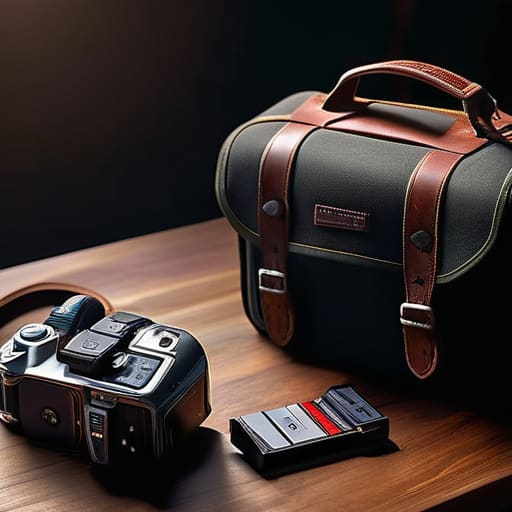
First, let’s talk about the gear, but not in the way those YouTubers do. Forget the list of “must-have” lenses; focus on your photography gear preparation in terms of redundancy. I don’t care if you have the newest mirrorless body if you haven’t checked that your SD cards are formatted and your spare batteries are actually charged. I once spent twenty minutes in a freezing church looking for a lens cap because I hadn’t cleared my bag the night before. Pack your kit the evening before, check every single connection, and then check it again. If a piece of gear fails, it should be a minor inconvenience, not a catastrophe that breaks your spirit.
Second, you need to master the art of the buffer. This comes down to wedding day timeline planning that accounts for human error. If the hair and makeup stylist is running thirty minutes late—and they will be—you cannot let that ripple through your entire afternoon. Build in “chaos windows.” Instead of scheduling the bridal portraits to the minute, give yourself a twenty-minute cushion. This isn’t just about being organized; it’s about protecting your own mental bandwidth so you aren’t sprinting from one location to the next like a person possessed.
Common Mistakes to Avoid
The biggest mistake I see is treating the wedding like a studio session where you have total control over the environment. You don’t. You can have the most meticulous photography gear preparation in the world—backups on backups, fresh batteries, every lens cleaned—but if you haven’t accounted for the fact that the reception hall is a cavernous, echoing box with zero natural light, your gear won’t save you. Don’t walk in thinking your technical setup is a shield against a chaotic venue; instead, expect the room to fight you and bring a single, reliable speedlight to punch through the darkness.
Another trap is over-promising during the consultation phase. When you fail at managing client expectations early on, you spend the entire wedding day playing defense rather than creating. If you tell a bride you’ll capture every single guest’s interaction, you’ll end up sprinting, panicking, and missing the actual moments that matter. You aren’t a CCTV camera; you’re a photographer. Stop trying to be everywhere at once, or you’ll find yourself burnt out by the cake cutting, staring at your feet instead of the frame.
Final Thoughts
At the end of the day, when you’re sitting in your car with your ears ringing and your feet throbbing, you won’t be thinking about your aperture settings or whether you used the right softbox. You’ll be thinking about whether you actually survived. The truth is, a successful wedding isn’t about achieving photographic perfection; it’s about managing wedding day stress well enough that you don’t walk away hating the craft. If you can navigate the chaos, keep your cool when the schedule slips, and still find one decent frame amidst the madness, you’ve done your job.
Don’t let the polished Instagram feeds fool you into thinking everyone has a seamless wedding photography workflow. They don’t. They just don’t show the frantic gear checks in the van or the moment they realized they forgot a spare battery. Focus on your stamina, trust your prep, and remember that you are a human being first and a technician second. If the lighting was difficult and the timeline was a disaster, but you kept your head, you’ve won.
The Real-World Survival Kit
- Pack a “sanity bag” that has nothing to do with your sensor cleaning kit. I’m talking about extra hairpins, a tide pen, and a pack of decent snacks. When the timeline slips by forty minutes—and it will—the last thing you want is to be trying to manage a hangry bridesmaid while your own blood sugar is crashing.
- Stop chasing the “perfect” light and start managing the light you actually have. If the reception hall is a cavernous nightmare of flickering fluorescent tubes and colored LEDs, don’t fight it with a massive softbox you can’t move. Set your white balance, find the one window or the one warm lamp that isn’t lying to you, and work with the shadows instead of trying to erase them.
- Learn to read the room before you even lift the camera. If the father of the bride is nursing a scotch and looking like he’s about to snap, or if the couple is having a quiet, tense moment in the corner, don’t barge in with a “cheese!” and a flash. Sometimes the best way to keep your sanity is to step back, let the tension settle, and wait for the actual human moment to emerge.
- Build a buffer into your shot list that assumes everything will go wrong. I never plan for a seamless transition from ceremony to portraits. I plan for the uncle who gets lost, the rain that turns the garden into a bog, and the bride who needs ten minutes to fix her veil. If you expect the chaos, it’s just a variable; if you don’t, it’s a crisis.
- Your gear is a tool, not a shield. If a lens is hunting in a dark church, swap it for a prime or just change your approach. Don’t spend twenty minutes wrestling with a tripod in a crowded aisle when you could be using a handheld focal length and moving with the crowd. The faster you stop fighting your equipment, the faster you can start managing the people.
The Real Wedding Math
You can spend twelve thousand dollars on a Leica and a bag of prime lenses, but if you haven’t accounted for the fact that the caterer is running forty minutes late and the groom’s aunt is currently having a meltdown in the hallway, those lenses are just expensive paperweights. A wedding isn’t a photoshoot; it’s a high-stakes logistics exercise where the lighting is secondary to the mood.
Iwona Krawczyk
The Reality of the Day
At the end of the day, your ability to survive a wedding has very little to do with your sensor resolution and everything to do with how you manage the uncontrollable variables. You can prepare your gear until your fingers ache, but you can’t prepare for a sudden downpour, a wedding party that refuses to move, or a groom who has suddenly decided he hates his left profile. Success is found in the buffer you build into your timeline, the way you anticipate the chaos of a crowded room, and your willingness to pivot when the plan falls apart. Remember: if the lighting shifts or the schedule breaks, you don’t fix it with a new lens; you fix it by staying calm and making the best of the mess in front of you.
If you find yourself standing in the middle of a reception, sweating under a heavy tripod and wondering where the time went, just take a breath. The most important thing you can bring to a wedding isn’t a bag full of expensive glass, but a grounded presence. When you stop fighting the room and start working with it, the work becomes much easier. You aren’t just there to capture light; you are there to navigate a human experience that is inherently messy. Trust your eyes, trust your instincts, and remember that even when the day feels like a disaster, there is almost always a beautiful, quiet moment waiting to be found in the middle of the noise.