
I once spent three hours watching a “pro” photographer struggle with a three-light setup, a massive softbox, and a prayer, all while his client’s schedule evaporated into thin air. He was trying to use every piece of gear in the bag to solve a problem that had nothing to do with his lighting ratios. If you’re looking for a tutorial on how to master complex strobe configurations to achieve the perfect cinematic glow, you’ve come to the wrong place. Learning how to shoot a hundred headshots in a day isn’t about the gear you own; it’s about the logistical warfare you wage against a ticking clock and a room that refuses to cooperate.
I’m not going to give you a lecture on aperture settings or sensor resolution. Instead, I’m going to tell you how to manage the chaos of a crowded hallway, how to keep a nervous CEO from looking like a deer in headlights, and why a single light and a set distance will save your sanity. This is the practical, unvarnished reality of high-volume work—the stuff they skip in the expensive masterclasses.
The Chaos of the Clock How to Shoot a Hundred Headshots in a Day
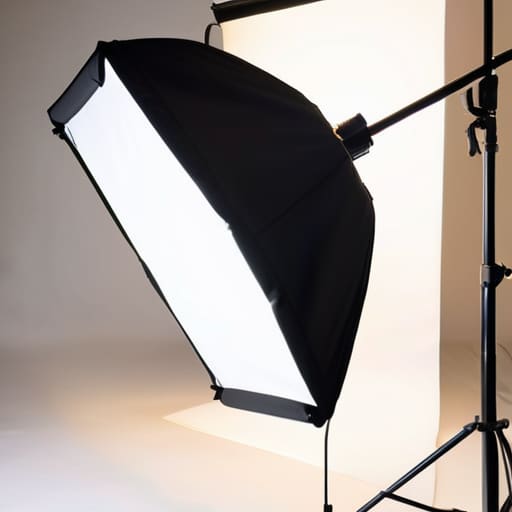
If you think you’re going to spend twenty minutes dialing in a Rembrandt lighting setup for every single person who walks through the door, you’ve already lost. High-volume work isn’t about chasing perfection; it’s about finding a reliable baseline. I usually set up one large octa with a subtle fill and leave it there. If you’re constantly tweaking your portrait photography lighting setup between subjects, you’re not a photographer at that moment—you’re a technician falling behind a schedule that was never realistic to begin with.
The real secret to efficient studio management is realizing that the clock is your most aggressive client. You need a tethered shooting workflow that is bulletproof. I don’t care if you think you can “just check the SD card later”—you can’t. You need to see the eyes on a big monitor immediately so you can catch that moment the subject realizes they are holding their breath. If you aren’t seeing the results in real-time, you’ll spend your entire evening managing client turnaround time instead of actually sleeping.
The Room Is the Enemy Efficient Studio Management for Speed
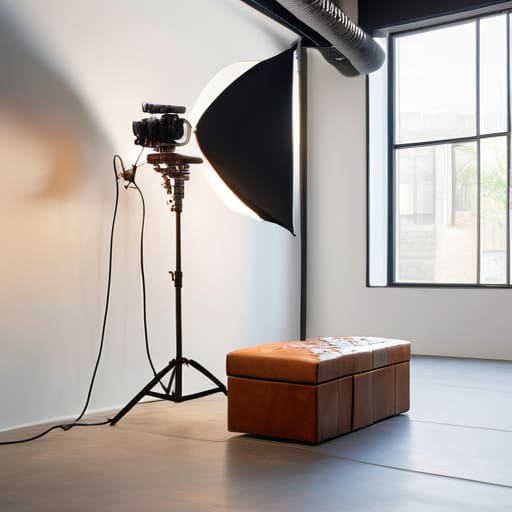
If you’re walking into a room and the first thing you do is start unboxing lights, you’ve already lost the morning. Efficient studio management isn’t about having the most expensive gear; it’s about the geometry of the space. I’ve seen shoots fall apart because the power strip was buried under a tripod or the subject’s chair was too close to a distracting window. You need a dedicated “landing zone” for bags and coats so the floor stays clear. If people are tripping over cables, they aren’t focusing on their expression, and you aren’t focusing on the light.
Keep your portrait photography lighting setup idiot-proof. I use one large octa and a reflector, nothing more. Every extra modifier is just another thing that can fail or move mid-session. I also swear by a strict tethered shooting workflow—if the client can’t see the results on a calibrated monitor immediately, they’ll spend ten minutes asking, “Is that it?” instead of just sitting back down. You want them seeing the image, nodding, and moving to the next person before the awkwardness can settle in.
Lighting That Doesnt Argue a Reliable Portrait Photography Lighting Setup
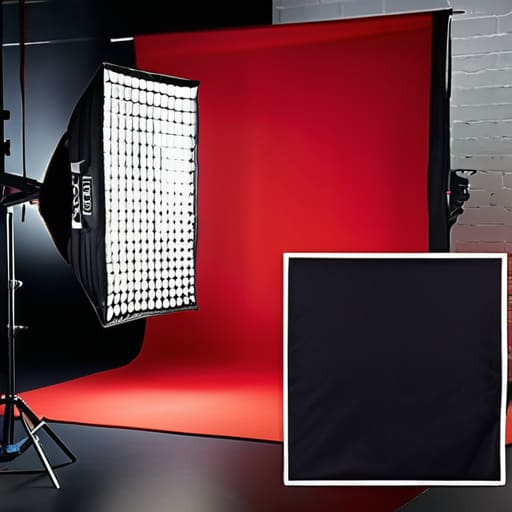
If you try to get creative with your lighting when you have a line of people waiting in the hallway, you’ve already lost. You cannot afford to spend ten minutes tweaking a beauty dish or hunting for a reflector. For these high-volume days, I rely on a single, predictable portrait photography lighting setup: one large octa with a grid, placed about 45 degrees to the side and slightly above eye level. It’s boring, it’s predictable, and it works on every face that walks through the door, from the CEO with the deep forehead wrinkles to the intern who is terrified of the lens.
The goal is to eliminate decision fatigue. I don’t want to be thinking about light ratios when I should be thinking about whether the subject’s collar is tucked in or if they’ve forgotten what to do with their hands. I keep my modifiers locked in place and my power settings dialed in. By the time we implement a tethered shooting workflow so the client can see the results instantly, the light should already be a non-issue. If the setup requires constant adjustment, it isn’t an efficient setup; it’s a liability.
Gear That Works Harder Than You High Volume Photography Gear
Look, I know the temptation to buy every new lens that hits the market, but when you’re staring down a schedule of a hundred faces, your gear needs to be a tool, not a distraction. I stopped bringing three different prime lenses to these marathons years ago. Now, I stick to a single, reliable zoom. If you’re constantly swapping glass while a client stands there awkwardly wondering what they should do with their hands, you’ve already lost the rhythm of the session. You need high-volume photography gear that is rugged, predictable, and—most importantly—fast.
The real unsung hero isn’t the camera body, though; it’s your tethered shooting workflow. If you aren’t seeing the shots on a large monitor immediately, you are flying blind. I need to see that the catchlight is hitting the eye and that the client’s collar isn’t tucked weirdly before they walk out that door. Relying on a tiny LCD screen during a back-to-back day is a recipe for disaster. Set up your laptop, check your cables, and make sure your connection is rock solid. If the tech fails mid-session, your efficient studio management goes straight out the window.
Eyes on the Screen the Tethered Shooting Workflow Secret
If you aren’t shooting tethered, you aren’t actually seeing what you’re doing. When you’re churning through a high-volume session, you can’t afford to play the “is that a stray hair or a sensor speck?” game on the back of a tiny LCD screen. I plug my camera directly into a laptop on a stand positioned just behind the subject—not so close they feel watched, but close enough that they can see the magic happening. This is the core of a reliable tethered shooting workflow: it turns the screen into a shared reality. When the client sees the image instantly, they stop guessing if they look “okay” and start actually cooperating.
The real trick, though, is using that screen to catch the small, expensive mistakes before they become a pattern. I’m looking for the way the light hits the bridge of a nose or if a collar has flipped up. It’s about preventing the feedback loop of doubt. If you catch a lighting error on person number five, you’ve saved yourself from correcting it on person number ninety. It’s not just about speed; it’s about managing client turnaround time by ensuring that when the session ends, the selects are already practically made.
The Final Sprint Photography Session Scheduling and Client Turnaround
By the time you reach the eighty-fifth person, your brain starts to feel like it’s been scrubbed with sandpaper. This is where photography session scheduling usually falls apart. You can’t just book people back-to-back like sardines; you need a ten-minute buffer every hour, not for you to drink coffee, but to reset the chair, check the tether cable, and breathe. If you try to squeeze every second, the fatigue shows in your eyes, and the subjects pick up on it. A tired photographer makes for a nervous subject, and once they start wondering what to do with their hands, you’ve already lost the momentum.
The real trick to managing client turnaround time isn’t working faster during the shoot—it’s deciding what you aren’t going to do later. I don’t do heavy retouching on high-volume days. I select the winners in the room using my tethered workflow, and I tell the client upfront: “You get the polished versions of these twelve shots by Friday.” If you promise a bespoke masterpiece for every single person in a hundred-person queue, you’ll be staring at a Lightroom catalog until three in the morning, wondering why you ever agreed to this.
The Little Things That Save the Day (Or Kill It)
- Stop overthinking the pose. By the fortieth person, you’ll be tempted to try something artistic, but don’t. Stick to the “chin out and down” rule and the “shoulders back” cue. You don’t have the luxury of a creative breakthrough when you’re ten minutes behind schedule.
- Manage the “nervous hands” early. I always ask people what they do with their hands when they’re anxious before I even pick up the camera. If they say “I fidget with my ring,” tell them to hold a prop or just rest them on their lap. Once they’re in front of the lens, you’ve already solved the problem.
- The “one-light” rule is your best friend for speed. I know, everyone wants a complex three-point setup, but when you’re chasing a hundred faces, a single large octa through a subtle scrim is much easier to adjust than a multi-light rig that requires constant tweaking every time a subject moves.
- Keep a “buffer” person in the wings. If you’re shooting a corporate team, ask the person who is arriving last to be your standby. If a client is running late or a subject has a wardrobe malfunction, you don’t sit there staring at the wall; you pull the standby in and keep the shutter clicking.
- Watch your battery and card discipline like a hawk. There is nothing more soul-crushing than hitting a dead battery or a full card when you’ve still got thirty people left in the lobby. Swap them out during the natural lulls—like when a group is being ushered into the room—rather than waiting for the inevitable crisis.
The Myth of the Perfect Shot
You can spend twenty minutes obsessing over the catchlight in someone’s eyes, but if you haven’t accounted for the fact that the next person in line is already checking their watch and sweating through their blazer, you’ve already lost the day. Efficiency isn’t about rushing the shutter; it’s about making sure the environment is so predictable that the subject doesn’t have to think, and you don’t have to fight your gear.
Iwona Krawczyk
The Aftermath
At the end of a day like this, your feet will ache and your brain will feel like it’s been through a blender, but you’ll have a hard drive full of usable images. It isn’t about the magic of the sensor or some secret aperture setting; it’s about the fact that you controlled the room, you didn’t fight your lighting, and you kept your tethered workflow from collapsing when the schedule inevitably slipped. You survived the hundred headshots because you focused on the logistics of the chaos rather than chasing a perfect, singular masterpiece for every single person in the queue. Success in high-volume work is simply the art of minimizing friction until only the portrait is left.
When you finally shut down the computer and the studio goes quiet, try not to obsess over the three shots that went sideways or the client who wouldn’t stop fidgeting with their hands. Those moments are just noise. Instead, look at the sheer volume of work you managed to shepherd from a nervous subject to a finished file. There is a quiet, gritty kind of beauty in the efficiency of a well-run session. It might not feel like “art” while you’re sweating through your shirt at 4:00 PM, but mastering the grind is exactly what separates the professionals from the hobbyists. Now, go home and leave the camera alone.
