
I once spent forty-five minutes in a cramped, overheated studio trying to figure out how to light two people facing each other for a corporate profile, only to realize the “problem” wasn’t my strobe settings or my modifiers. It was the fact that one subject was wearing a high-gloss silk blouse and the other had a forehead that acted like a personal mirror. I was sweating, my client was checking their watch, and I was staring at a light meter like it was going to give me a magic answer. Most tutorials will tell you to buy a massive, expensive octabank to wrap the light around them, but they never mention that the more gear you bring into a small room, the more likely you are to trip over a power cable or create a shadow mess that no amount of post-production can fix.
I’m not here to sell you a new lighting kit or walk you through a theoretical diagram that only works in a white-walled vacuum. I want to talk about the actual physics of the room and the compromises you have to make when people are looking at one another. I’ll show you how to manage the inevitable shadows and where to place your single most important light source so you aren’t fighting the subjects. This is about what actually works when the clock is ticking.
Understanding How to Light Two People Facing Each Other
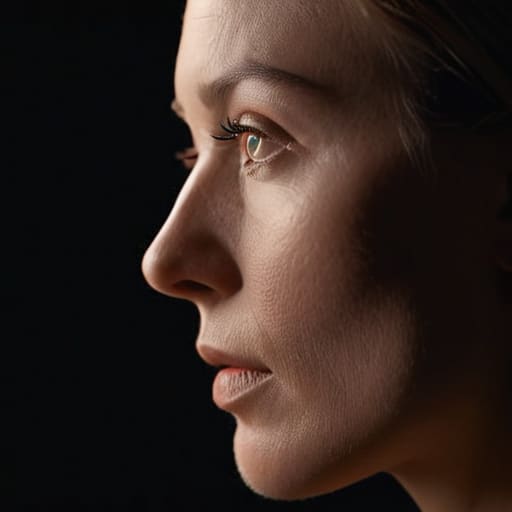
The fundamental issue isn’t just the light; it’s the geometry of the human face. When two people are turned toward one another, they become their own worst enemies. One person’s nose is going to cast a shadow across the other’s cheek, and if you aren’t careful, you’ll end up with a “black hole” effect where their features just disappear into each other. You aren’t just managing light; you are managing facial shadows in portraits that are being actively created by the subjects themselves.
I usually start by thinking about the light as a shared resource rather than two separate problems. If you try to treat this like a standard three point lighting setup for each individual, you’ll end up with a cluttered room, a tangle of cables, and a client who feels like they’re in an interrogation room. Instead, I lean toward a single, large source—a big octabox is my go-to here—placed slightly off-center. This creates a unified look, but you have to be hyper-aware of the key light placement for couples to ensure you aren’t accidentally plunging one person into total darkness while the other is blown out.
Key Things to Know
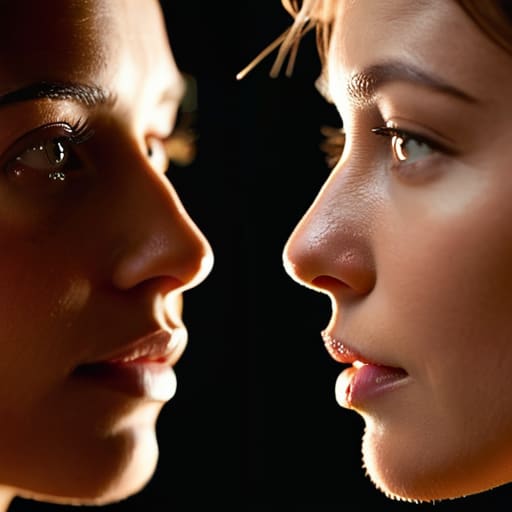
First, you have to accept that you’re no longer just managing one face; you’re managing a landscape of moving shadows. When two people are facing each other, the person closest to your light source is going to become a human eclipse for the person on the other side. This is where most people fail—they set up a standard three point lighting setup and wonder why one subject looks like a movie star while the other looks like they’re in a witness protection program. You aren’t just looking for light; you are looking for consistent exposure across two different planes of existence.
The second thing to realize is that your modifier choice is going to dictate how much you struggle. If you use a small, directional light, you’re going to spend half the shoot managing facial shadows in portraits as they tilt their heads to talk. I usually reach for a large octa or a big softbox placed slightly higher and further back than I’d like, just to wrap the light around both of them. You might lose a bit of that crisp, dramatic edge, but it’s a necessary compromise to stop the shadows from looking like they were carved with a knife.
Practical Tips and Steps
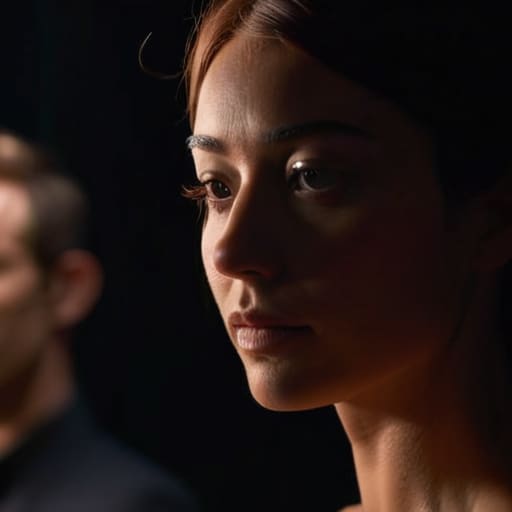
First, stop thinking about a standard three point lighting setup; it’s too much clutter for a face-to-face interaction. Instead, I usually start with a single, large source—a big octabox is my go-to here—positioned slightly off-center to both subjects. The trick is finding the sweet spot where you aren’t creating a massive, dark cavern of a shadow on the person facing away from the light. If you find you’re losing their profile entirely, don’t reach for a second heavy modifier. Just add a subtle bit of rim lighting for separation using a small strip box placed behind them. It pulls them out of the background without making the scene look like a high-budget music video.
When it comes to the gear, I’ve learned that a softbox vs umbrella for two people is a decision you make based on how much space you actually have to move. Umbrellas are great for filling a room, but they can feel messy and uncontrolled when you’re trying to manage facial shadows in portraits. I prefer the control of a softbox; it lets me dictate exactly where the light falls, which is vital when you’re trying to keep the focus on their connection rather than a stray glare on a forehead.
Common Mistakes to Avoid
The biggest mistake I see is trying to treat a two-person setup like a standard single-person portrait. If you try to use a single, massive light source to cover both faces, you’re going to end up with a mess of unintentional shadows on the side of the person facing away from the light. You might think a large umbrella is the easy fix, but when you’re dealing with a face-to-face composition, a single light often fails to wrap around both subjects equally. You end up with one person looking bright and the other looking like they’re hiding in a cave.
Another trap is neglecting the space between them. People often get so focused on the key light placement for couples that they forget about the “dark zone” created in the middle of the frame. Without a bit of rim lighting for separation, your subjects will bleed into each other, turning a meaningful moment into a muddy, indistinguishable blob of skin tones. Don’t just aim for “lit”; aim for definition. If you don’t carve them out from the background, you’ve lost the connection you were trying to capture in the first place.
Final Thoughts
At the end of the day, don’t get paralyzed by the math of it all. You can spend forty minutes obsessing over the perfect key light placement for couples, but if the energy in the room feels stiff, the gear won’t save you. I’ve learned that the best setups usually come from a bit of trial and error once the subjects actually start talking. If you find yourself fighting a losing battle with heavy shadows, don’t be afraid to ditch the complex schemes and just lean into some simple rim lighting for separation to pull them away from a dark background.
It’s rarely about having the most expensive kit; it’s about being able to pivot when the light hits a window or a client decides they want to sit on the floor instead of the chairs. Keep your kit minimal, watch the shadows, and remember that you are managing people, not just photons. If you can get them comfortable and keep the light predictable, the rest usually falls into place. Now, go actually try it—and maybe bring a snack for yourself next time.
Five things I’ve learned from the trenches
- Watch the nose shadows. When two people are facing each other, the person closer to your light source is going to cast a massive, unhelpful shadow across the other person’s face. I usually have to move my main light further back or raise it higher than I’d like just to keep that shadow from swallowing their features.
- Don’t rely on a single light for both of them. If you try to light a face-to-face setup with just one key, you’re essentially choosing who gets to look good and who gets to look like they’re in a witness protection program. Use a second, much softer light—maybe a small LED panel or a bounced flash—to fill in the person sitting in the dark.
- Check the “hand situation” early. I always ask people what they do with their hands when they’re nervous, and in a two-person setup, those hands usually end up in the middle, touching or fidgeting. If they’re between the subjects, they’re going to catch a weird, hard shadow. Position your lights so you aren’t lighting a forest of nervous fingers instead of their faces.
- Mind the catchlights. It’s easy to get so caught up in the technical side of the shadows that you forget to check if both subjects actually have life in their eyes. If one person has a beautiful ring light reflection and the other has dead, black eyes because they’re tucked in a shadow, the shot is dead. Adjust your modifiers until you see that spark in both pairs of eyes.
- Use a wide modifier to cheat the physics. If you’re fighting a cramped room and can’t move the lights away from the subjects, swap your standard softbox for something massive, like a 5-foot octabank. The larger the light source, the more it wraps around them, which helps soften those awkward shadows created by their proximity to one another.
The Shadow War
When you’re lighting two people facing each other, you aren’t just managing light; you’re managing a shadow war. Every time one person leans in to connect, they’re effectively throwing a punch at the other person’s face with their own silhouette, and no amount of expensive gear will fix a setup that doesn’t account for that inevitable movement.
Iwona Krawczyk
The Reality of the Setup
At the end of the day, lighting two people facing each other is less about finding the perfect mathematical ratio and more about managing the chaos of their physical presence. You have to account for the shadows they cast on each other, the way one person’s height might block your key light, and the inevitable moment someone shifts their weight and ruins your carefully placed rim light. Whether you’re using a single large octa supposed to wrap both of them or struggling to balance two separate strobes in a cramped room, remember that the goal is clarity, not complexity. Keep your modifiers large, your distances forgiving, and always, always watch the shadows that fall across their eyes.
When you finally step away from the monitor and look at the results, don’t get too hung up on whether the light was technically “perfect.” If you managed to capture the connection between them without them looking like they were being interrogated by a single lamp, you’ve done the job. Photography is often just a series of tactical compromises made in real-time, and learning to trust your eyes over your light meter is what separates a technician from a photographer. So, stop worrying about the gear and start looking at the people. That is where the actual work happens.