
I once spent forty minutes setting up a sophisticated three-point lighting rig in a client’s boardroom, only to realize the massive floor-to-ceiling window was throwing a harsh, blue-tinted shadow across the CEO’s face that no amount of diffusion could fix. It’s that specific, sinking feeling—the realization that your gear is perfect but the environment is actively working against you—that most photography tutorials completely ignore. They teach you the math of light, but they don’t teach you how to figure out how to shoot a working portrait on location when the client’s office is a cramped, windowless box or a sun-drenched lobby that changes every ten minutes.
I’m not here to talk to you about the latest mirrorless bodies or which expensive softbox will make you look like a pro. This is about the messy, unscripted reality of the job: managing the glare on a glass desk, negotiating space with an interrupted assistant, and making a subject feel human when they’re clearly uncomfortable in their own skin. I want to share the practical, slightly bruised wisdom of someone who has spent years learning that the best shots come from knowing how to pivot when the room refuses to cooperate.
Forget the Gear How to Shoot a Working Portrait on Location
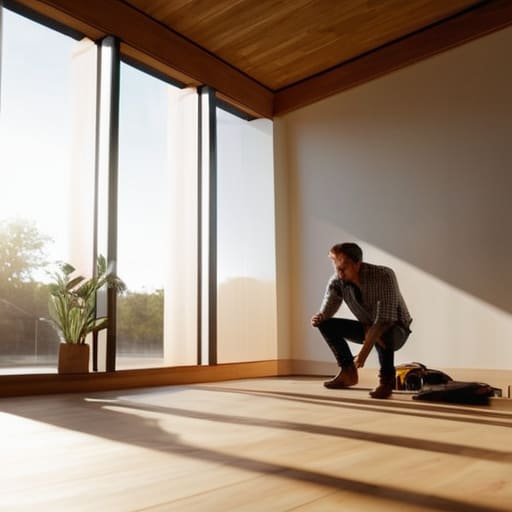
I’ve spent enough time hauling heavy cases into tiny, windowless offices to know that your bag of professional photography gear for location is mostly just a heavy liability if you haven’t sized up the room first. You can bring the most expensive strobes in the world, but if you’re fighting a fluorescent ceiling light that makes everyone look like they’ve been dead for three days, you’re going to lose the battle. I’ve learned to stop looking at my spec sheet and start looking at the corners of the room. Is there a window you can angle toward? Is there a desk that’s too cluttered to be anything but a distraction?
Instead of obsessing over settings, focus on managing client expectations on site. When I walk into a workspace, I’m not just looking for a backdrop; I’m looking for the friction points. If the CEO wants to look “approachable” but insists on sitting behind a massive mahogany desk that acts like a fortress, that’s a problem of psychology, not aperture. My goal is usually capturing candid professional moments that don’t feel staged, which means I spend more time moving a chair or adjusting a lamp than I do fiddling with my ISO.
The Room Is the Real Subject Environmental Portraiture Techniques
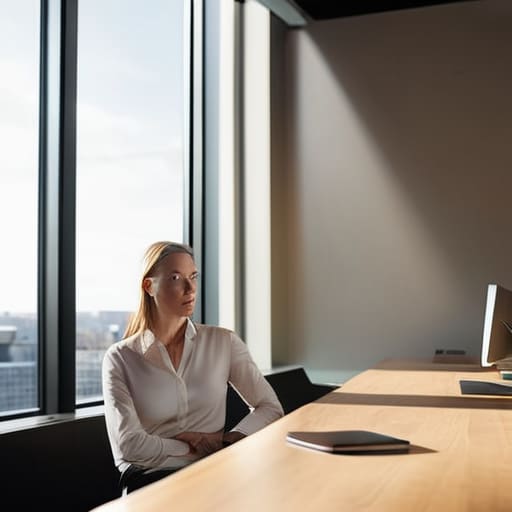
When you walk into a client’s office, stop looking for the perfect backdrop and start looking at the floor plan. Most people think they need to bring a mobile studio to win, but half the time, the room is already telling you the story. I’ve learned that the most effective environmental portraiture techniques involve working with the existing geometry rather than fighting it. If there’s a massive, floor-to-ceiling window, that’s your primary light source; don’t try to overpower it with a strobe unless you want your subject to look like they’re being interrogated in a basement.
Instead, look for the “dead zones”—those awkward corners where the light falls off or where a distracting fire extinguisher ruins the frame. I usually spend the first ten minutes just pacing the perimeter, checking how the shadows hit the desk and where the client’s personality actually lives. You aren’t just taking a picture of a person; you are documenting their ecosystem. If you can master the art of using the architecture to frame the human, you’ll stop worrying about whether your bag is heavy enough and start focusing on why the room feels the way it does.
Making Peace With Natural Lighting in Workplace Settings

When you’re dropped into a client’s office, the sun is rarely your friend; it’s usually a high-contrast intruder. You’ll find yourself staring at a massive floor-to-ceiling window that’s blowing out the highlights on a subject’s forehead, or a dim corner where the light just dies entirely. My rule is to stop fighting the window and start working with it. If the light is too harsh, don’t reach for your flash—reach for a sheer curtain or a large white foam board to bounce some of that spill back into the shadows. Using natural lighting in workplace settings isn’t about getting perfect, even illumination; it’s about deciding which shadows you’re willing to live with to keep the mood authentic.
I’ve learned that the best way to handle a difficult light source is to move the person, not the sun. If the light is hitting them at a brutal ninety-degree angle, move their chair three feet to the left. It sounds simple, but positioning is everything when you don’t have a studio’s control. You aren’t looking for a magazine spread; you’re looking for a way to make them look like they actually belong in that space without looking like they’re being interrogated by a spotlight.
Managing Client Expectations on Site When Everything Changes
The moment you walk into a client’s office, the plan you made in your studio starts to dissolve. They’ll tell you the corner office is “too messy,” then five minutes later, they’ll decide they actually want the shot to look more “approachable” and less formal. This is where most people panic, but you have to realize that managing client expectations on site is more about psychology than technical skill. If they suddenly decide they hate the way the light hits their desk, don’t fight them. Suggest a pivot. If they want a more relaxed vibe, lean into capturing candid professional moments rather than forcing a stiff, posed setup that clearly makes them uncomfortable.
When the schedule slips—and it always does—don’t try to make up for lost time by rushing the shots. If a meeting runs over, your composition for corporate portraits will suffer because you’ll be hunting for angles instead of observing the space. I’ve learned that it’s better to shoot fewer, intentional frames than to scramble through a dozen mediocre ones just because the client is staring at their watch. Just breathe, reset, and remember: the chaos is part of the job.
Composition for Corporate Portraits Amidst the Daily Chaos
When you’re standing in the middle of a busy open-plan office, your instinct is to zoom in and isolate the subject to hide the mess. Don’t. If you crop too tight, you lose the context that makes the portrait “working” rather than just a headshot. I’ve learned that the most effective composition for corporate portraits actually involves leaning into the clutter, provided you use it to frame the person. Look for leading lines—the edge of a desk, a bookshelf, or even the silhouette of a colleague passing by in the background—to pull the eye toward your subject. It’s about creating a sense of place without letting the background swallow the person whole.
The trick is finding that sweet spot where the environment feels intentional rather than accidental. I often find myself moving a stray coffee mug or a tangled mess of charging cables just a few inches out of the way to clean up the frame. You aren’t looking for perfection; you’re looking for narrative clarity. If you can catch a subject mid-gesture, perhaps leaning against their desk or looking toward a window, you’re capturing candid professional moments that feel far more authentic than a stiff, centered pose.
Capturing Candid Professional Moments Without the Staged Pretension
The hardest part isn’t setting up the lights; it’s getting the person to stop performing for you. The second I start clicking, people tend to freeze into this stiff, “professional” version of themselves that looks entirely manufactured. I usually try to find a rhythm by just observing for ten minutes first. I’ll ask them what they do with their hands when they’re nervous—it breaks the ice—and then I just stay out of the way. My goal is capturing candid professional moments that actually feel like the person, not a LinkedIn placeholder.
If you’re too focused on your professional photography gear for location, you’ll miss the movement. I’ve learned to keep my settings ready but my presence low-key. Instead of directing them to “look natural” (which is the fastest way to ruin a shot), I look for the micro-interactions: a hand hovering over a keyboard, a genuine laugh during a coffee break, or the way they lean into a desk. You have to embrace a bit of controlled chaos to find those frames where they actually look like they belong in their own workspace.
Five things I wish I’d known before my first solo location shoot
- Watch the clock, not just the light. In a studio, I control the sun; on location, the sun controls me. If you’re shooting in a corner office, that glorious window light might turn into a harsh, blinding glare in exactly twenty minutes. Plan to move your subject or your position before the light dies, because once it’s gone, you aren’t getting it back until tomorrow.
- Bring a “chaos kit” that has nothing to do with your sensor. I always carry extra gaffer tape, a small handheld reflector, and a handful of heavy-duty binder clips. You’ll use them to pin back a stray curtain, secure a loose power cable that’s tripping people, or stop a client’s shirt from bunching up in a way that looks terrible on camera.
- Master the art of the “pre-flight” walk-through. Before you even unbag your lens, walk the perimeter of the room. Look for the buzzing fluorescent lights that will ruin your white balance, find the outlets that actually work, and identify the “dead zones” where the shadows get too muddy. Knowing where the problems are before you start is half the battle.
- Treat the subject’s hands like a separate project. I always ask people what they do with their hands when they’re nervous—usually, they fidget with a pen or a ring—and then I give them a job. If it’s a working portrait, give them something real to hold, like a tablet or a coffee mug, or have them lean against a desk. It grounds them and stops that awkward, floating-limb look.
- Don’t be afraid to ask for the “ugly” stuff to be moved. If a client has a massive, neon-colored motivational poster right behind their head, tell them. Don’t be polite about it; be professional. Explain that the color is competing with their face. Most people would rather move a poster than look like they’re being swallowed by a bright yellow slogan in their headshot.
The Truth About the Location
You can spend three hours obsessing over your aperture settings, but if you haven’t accounted for the fact that the client’s office has floor-to-ceiling windows and a desk covered in distracting neon post-its, you aren’t shooting a portrait—you’re just fighting a losing battle against the room.
Iwona Krawczyk
The Reality Check
At the end of the day, shooting on location isn’t about finding the perfect, pristine studio space; it’s about learning to negotiate with the one you actually have. We’ve talked about why your gear won’t save you from a cramped office, how to lean into the messy light coming through a dirty window, and the necessity of managing a client who decides halfway through that they want a different vibe entirely. If you can master the logistics of the room and keep your head when the composition gets interrupted by a delivery driver, you’re already ahead of half the people with expensive kits. It’s about being a problem solver first and a photographer second.
Don’t let the chaos of a working environment make you feel like you’re failing. Some of my best shots—the ones that actually feel like the person in them—happened when I stopped fighting the environment and started working with the friction. When you stop trying to force a sterile, studio perfection onto a living, breathing workplace, you find something much more interesting. Trust your eyes, watch the hands, and remember that the most honest portraits usually happen in the moments when you’ve finally stopped trying to control everything.
